

Creator commerce · Data contrast
Alli Rezny’s profile raises a practical business question for creators: what does commerce evidence add beyond an audience snapshot, and how can product-selling content be tested without assuming that broader promotion means better performance?
Commerce performance: what selling activity adds to an audience snapshot
Followers
21,900Follower snapshotVideo units sold
7,396Rolling 90 daysProducts promoted
256Rolling 90 daysReported video sales
$553,200Rolling 90 daysVideo sales value per unit
$74.80Rolling 90 daysAlli Rezny’s profile recorded 21,900 followers at capture. That gives useful audience context, but it does not establish reach, buyers or conversion. The commerce record adds a separate signal: during the verified 90-day period, her video commerce was attributed with 7,396 units and $553,200 in reported sales value.
Together, those observations show recorded purchase activity alongside audience scale. That is commercially more useful than treating a follower total as a proxy for selling ability. The reported value divided by the reported units produces an aggregate $74.80 per unit.
Its meaning is the overall relationship between these two account-level measures, not a typical item price, order value, profit measure or creator income.
The same overview lists 256 promoted products. This adds evidence of promotional breadth, but not evidence that every item sold, appeared in video or contributed equally. The practical decision is therefore not whether to copy a large assortment. It is whether to use purchase activity as a reason to run more disciplined tests of product fit, explanation and buyer response.
How can creators use commerce evidence to choose products to sell?
A useful lesson to test is that product clarity may be more actionable than product breadth. This is a proposed lesson, not a claim about what Rezny did.
Imagine choosing between a broad collection of family and home finds and a focused theme built around one recurring task, such as making a child’s morning routine easier. Before featuring an item, check four things: Can the buyer recognize the problem immediately? Is the use case easy to demonstrate? Can the product’s value be explained without a long introduction? Is it clear who the item is for?
This checklist changes the question from “Which products should I add?” to “Which buyer problem can I explain and measure consistently?” A focused theme can make later comparisons cleaner because the creator can record the item, problem and audience response separately. If the buying signals improve under comparable conditions, the theme merits another test.
If they do not, revise the explanation or the problem being addressed before expanding the range.
Your next step with VIKOC
Give your next idea a place to sell.
Create a VIKOC account, then start setting up your own storefront. Use the lessons here to make your offer clear to customers.
Already have an account? You can sign in on the next page.
Products in focus
Leading products by recorded unit sales and sales value within the captured sample. These product totals are not attributed to this creator.
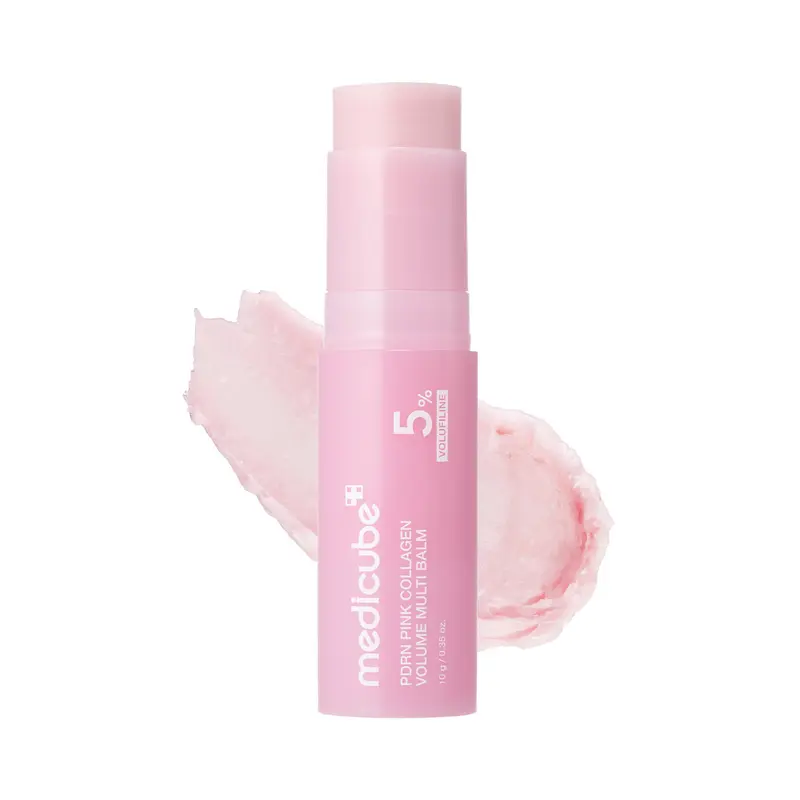
Highest reported unit sales in the captured sample · Highest reported sales value in the captured sample
1,205,800 reported units sold
269,000,000 USD reported sales value
Source & sales scope
Product-level reported sales; creator attribution and observation period are unverified. Not creator GMV or income.
Observed 2026-11-12 16:26:59-08
Test one focused product-selling theme before expanding the range
Film two comparable batches over 14 days. In batch A, keep one clearly defined family or home need consistent; in batch B, use a broader mix of unrelated finds. Use the same buying checklist in both batches, and avoid changing several presentation variables at once.
For each post, log the featured need, product, posting conditions, units, reported sales value and audience response. Record comments or saves as audience signals, not as purchases, and give both batches comparable time to accumulate activity.
At the end of the period, compare units and reported sales value alongside the audience response. If the focused batch shows stronger buying activity under similar conditions, write the next script around that problem and test another item within the same theme.
If it does not, change the explanation or buyer problem and run another controlled test; a quiet result alone is not a reason to abandon the category or change inventory.
About the data
Sales and promoted products cover the recorded rolling 90-day period; followers are a separate snapshot. Sales are source-reported, not independently audited or creator earnings. USD uses the confirmed default where source currency is missing. The featured video illustrates the account; it has not been analyzed to explain sales.
- Followers: 21,900
- Point-in-time snapshot. Captured 2026-11-12 16:28:08-08.
- Video units sold: 7,396
- Source-labelled rolling 90 days. Captured 2026-11-12 16:28:08-08.
- Products promoted: 256
- Source-labelled rolling 90 days. Captured 2026-11-12 16:28:08-08.
- Reported video sales: $553,200
- Source-labelled rolling 90 days. Captured 2026-11-12 16:28:08-08.
- Video sales value per unit: $74.80
- Calculated from sales value divided by units sold in the same period. Source-labelled rolling 90 days. Captured 2026-11-12 16:28:08-08.
Updated November 13, 2026. Independent analysis; no creator endorsement implied.
Request a correction or removal



David A.
0 comment