

Creator commerce · Data contrast
Deps’s audience snapshot raises a practical business question: what does the commerce record add, and how can another creator use that evidence to test clearer product-fit content without guessing which offer drove the result?
Commerce performance: what selling activity adds beyond follower count
Followers
114,400Follower snapshotVideo units sold
9,431Rolling 90 daysProducts promoted
83Rolling 90 daysReported video sales
$293,400Rolling 90 daysVideo sales value per unit
$31.11Rolling 90 daysA follower count is an opportunity signal, not evidence of reach, buyers or conversion. At capture, Deps had 114,400 followers. In the verified 90-day window, the reported video-commerce record included 9,431 units and $293,400 in sales value. Together, those observations add something an audience snapshot cannot: documented purchase activity attributed to creator videos.
That makes commerce performance a more useful business question than audience size alone. A creator can ask not just whether enough people might see an offer, but whether the selling content is generating measurable buying activity. The record does not establish earnings, profit, settled payments or the content that caused the result.
The overview also records 83 distinct promoted products. That is a broad promotion footprint, not a current shop size or proof that every item sold. The combined sales value divided by combined units is $31.11, an aggregate ratio for the same period—not a typical item price, order value or affordability benchmark. For another creator, the practical value of this case is therefore not a formula for expected revenue.
It is a reason to study and test the product explanation attached to commerce content.
Your next step with VIKOC
Give your next idea a place to sell.
Create a VIKOC account, then start setting up your own storefront. Use the lessons here to make your offer clear to customers.
Already have an account? You can sign in on the next page.
Turn commerce performance into a product-fit content question
A useful lesson to test is to treat product selection and product explanation as connected decisions. When a creator presents an offer, a viewer needs enough information to judge fit: who it is for, what everyday problem or use case it addresses, what trade-off matters and why this offer deserves consideration.
This is a proposed practice, not an explanation of what Deps did. For any product category, a creator could make the buying checklist visible in the script. For example, instead of simply showing an item in use, explain the intended user, demonstrate the relevant use case, name one limitation or trade-off, and state what makes the offer worth comparing with alternatives.
The property should be something the viewer can verify from the product, listing or demonstration rather than an unsupported promise.
The point is not that more explanation guarantees sales. It is to make the buying decision easier to evaluate and create a clean content variable: does clearer product fit produce stronger commerce response than the creator’s usual presentation?
Products in focus
Leading products by recorded unit sales and sales value within the captured sample. These product totals are not attributed to this creator.
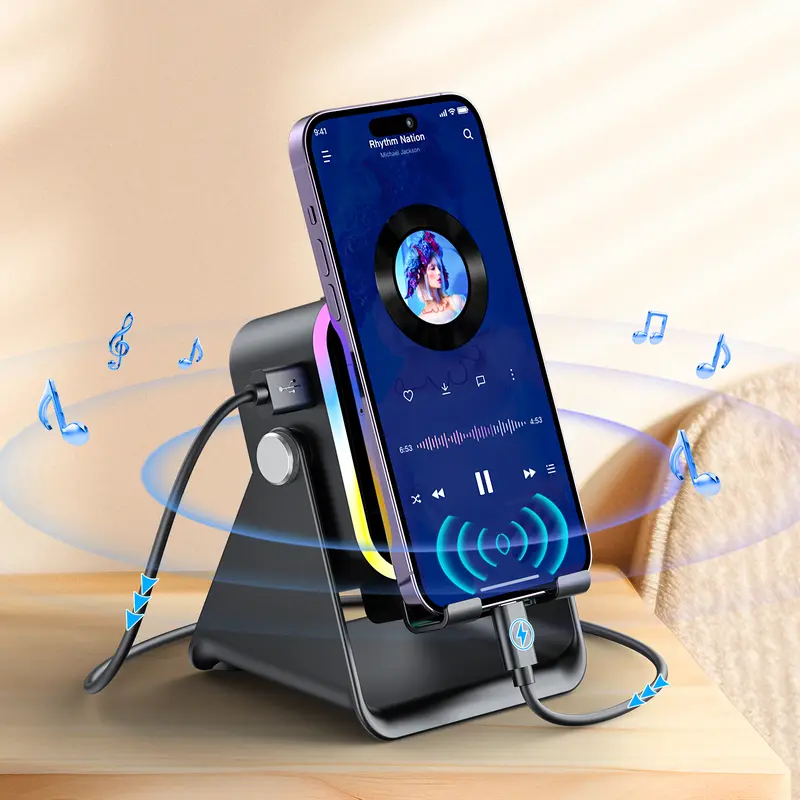
Highest reported unit sales in the captured sample
364,200 reported units sold
8,100,600 USD reported sales value
Source & sales scope
Product-level reported sales; creator attribution and observation period are unverified. Not creator GMV or income.
Observed 2026-11-12 15:57:26-08
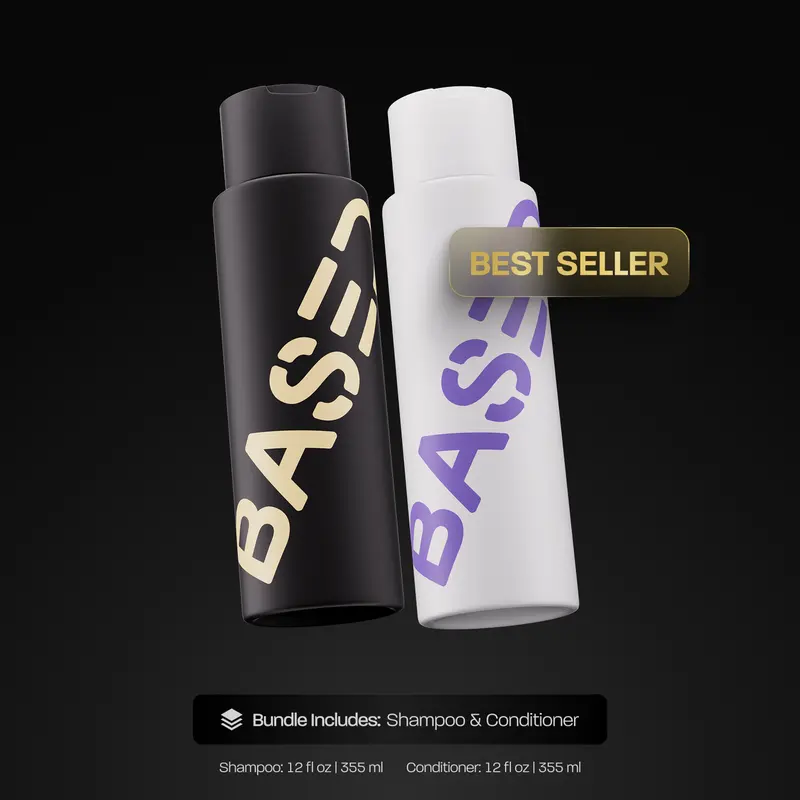
Highest reported sales value in the captured sample
330,800 reported units sold
16,017,000 USD reported sales value
Source & sales scope
Product-level reported sales; creator attribution and observation period are unverified. Not creator GMV or income.
Observed 2026-11-12 15:57:26-08
Run a seven-day product-fit content test
Choose one product or closely comparable offer and film two matched versions. Keep the product, offer and call to action as consistent as possible. In the usual version, use the creator’s normal presentation. In the test version, explicitly cover the intended buyer, the problem or use case, one verifiable trade-off and the reason to consider the offer.
Publish the versions over a comparable seven-day observation period. For each video, record views, clicks, attributed units, reported sales value and sales value per attributed unit, along with any noticeable change in attention or click response. Do not treat a quiet test as proof that the product or shop should be abandoned.
If the fit-led version improves commerce measures without an unacceptable loss of attention or clicks, use that structure in the next script. If it does not, revise the audience or problem framing and test again before changing the offer. The result should guide the explanation—not pretend to reveal which products drove Deps’s historical record.
About the data
Sales and promoted products cover the recorded rolling 90-day period; followers are a separate snapshot. Sales are source-reported, not independently audited or creator earnings. USD uses the confirmed default where source currency is missing. The featured video illustrates the account; it has not been analyzed to explain sales.
- Followers: 114,400
- Point-in-time snapshot. Captured 2026-11-12 15:58:35-08.
- Video units sold: 9,431
- Source-labelled rolling 90 days. Captured 2026-11-12 15:58:35-08.
- Products promoted: 83
- Source-labelled rolling 90 days. Captured 2026-11-12 15:58:35-08.
- Reported video sales: $293,400
- Source-labelled rolling 90 days. Captured 2026-11-12 15:58:35-08.
- Video sales value per unit: $31.11
- Calculated from sales value divided by units sold in the same period. Source-labelled rolling 90 days. Captured 2026-11-12 15:58:35-08.
Updated November 13, 2026. Independent analysis; no creator endorsement implied.
Request a correction or removal



David A.
0 comment