

The short answer
Build a portfolio for selling creative services with a relevant project, a clear brief, your specific contribution and images that explain the work. Connect the case to a separately defined service offer. Label concepts and mockups honestly rather than implying clients or results that did not exist.
Lead with a relevant project
Select a project that resembles the work you want to sell. A collection of unrelated images may show range but leave buyers unsure about your service. Explain who the project was for and what needed to change.
If you use a self-initiated concept, label it as a concept. Never turn a fictional brand into an invented client relationship or attach unverified business results to attractive images.
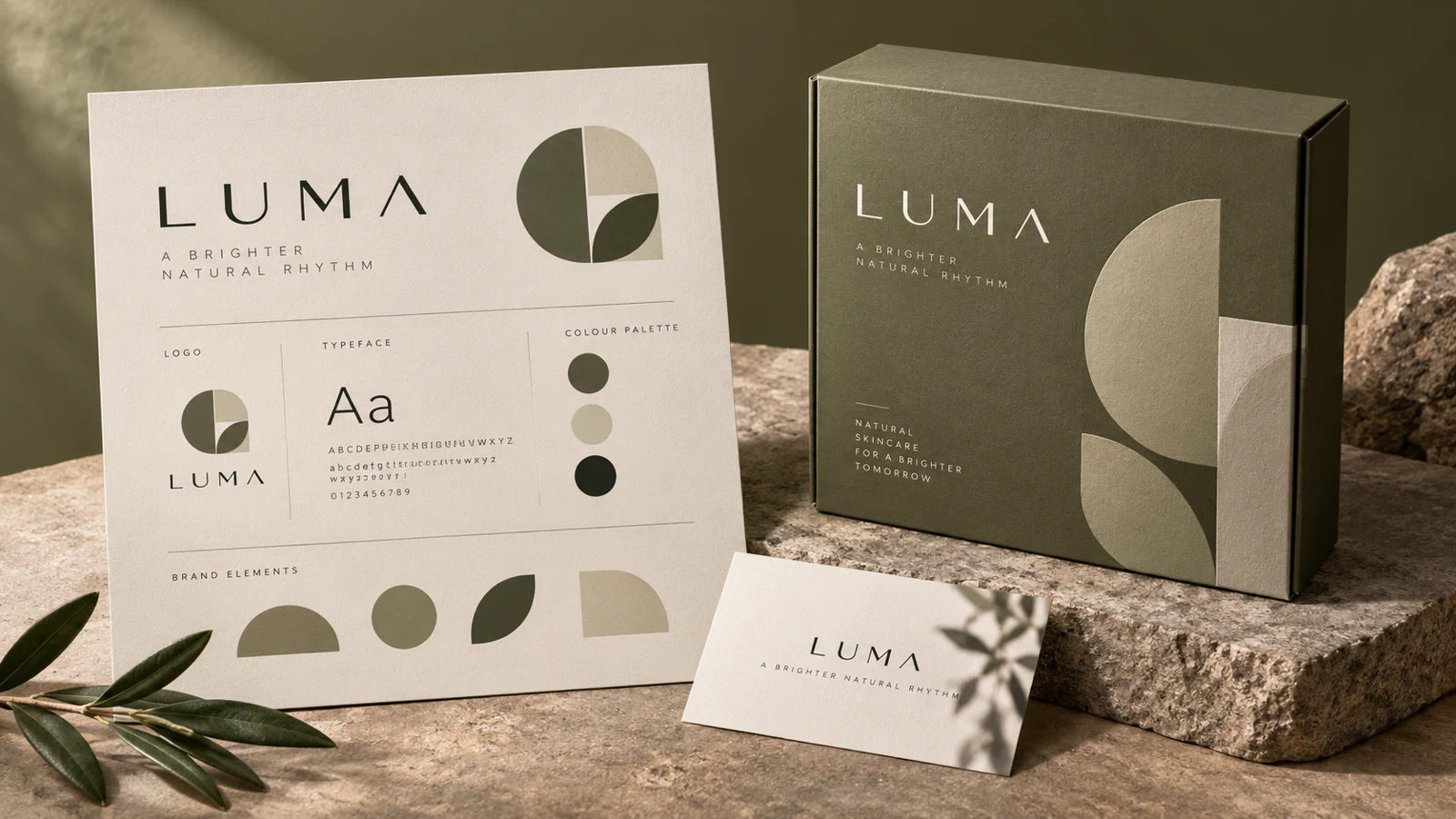
Explain your contribution
Give enough context to understand the work. Describe the brief, your role, and one important design decision. If other people contributed, distinguish their work from yours.
For example, explain that you developed the identity and packaging layout while photography came from another contributor. This is more informative than saying you handled everything when that was not the case. Keep the explanation concise and concrete.
Show details that support the story
Use a small sequence of images instead of a wall of thumbnails. Start with the overall system, show a meaningful detail, and finish with an application. Check that the images remain readable on a phone.
Obtain permission before publishing confidential client material. Mockups can explain a design's intended use, but label them accurately and do not imply a printed product or campaign existed when it did not.
| Decision | What to check |
|---|---|
| Overview | The complete visual system |
| Detail | Typography or layout choice |
| Application | A realistic use example |
Connect the case to an offer
The case study and the service offer have different jobs. The case explains past or sample work. The offer states the deliverables, scope, and next step for a new buyer.
Connect them clearly on your VIKOC presence using the fields and links your setup supports. Do not imply that every new project includes all the work shown in a large case study. Explain the specific package separately.
Replace vague proof with useful detail
Use genuine testimonials only with appropriate permission, and preserve what they actually say. If you have no client feedback yet, a well-labeled concept project can still show your process. Avoid invented revenue figures or logos that suggest partnerships.
Review the page from a buyer's perspective: can they recognize the style, understand your contribution, and find the service that matches their task?
Try it with one real offer
Write a short case study for a self-initiated identity project: brief, role, key decision and three supporting visuals. Label it as a concept and add a separate explanation of the service a new buyer can request.
Common questions
Can I build a portfolio without client projects?
Yes. A clearly labeled concept can show your process and skills. Do not present a fictional brand as a real client or attach invented testimonials.
Should everything in a portfolio case be included in my service package?
Only if that is the actual offer. The case explains work; the package defines the scope, deliverables and next step for a new buyer.